Helping engines breathe more freely with carbon cleaning support
MRD Automotive offers engine carbon cleaning guidance for drivers in Aldridge, Walsall and the wider West Midlands who want to improve efficiency, drivability and long-term reliability.
Hydrogen and oxygen introduced through the intake system
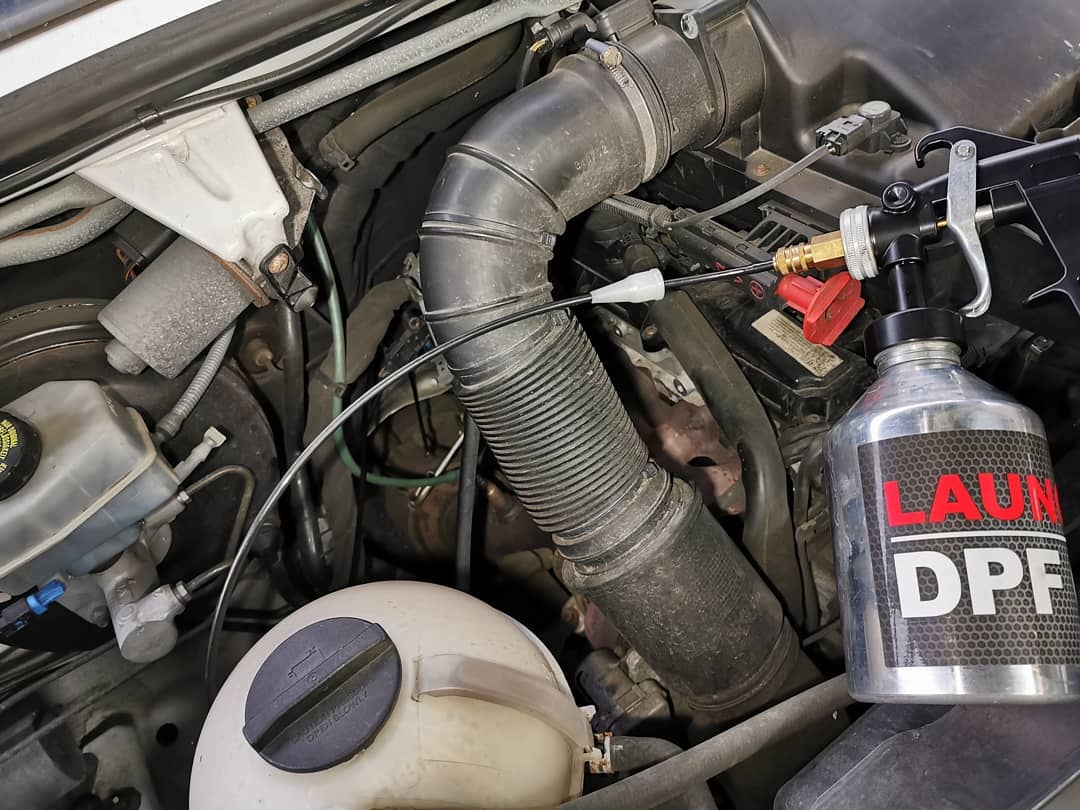
MRD uses an HHO-based engine carbon clean system. The setup runs on distilled water and electrolyte, then uses electrolysis to create hydrogen and oxygen. That gas mix is fed into the engine through the air intake or a breather hose.
As combustion improves, carbon deposits can gradually break down and pass harmlessly through the exhaust system. This can help remove restrictions, improve efficiency and restore lost performance where carbon build-up is part of the issue.
Potential benefits
- Restored engine performance.
- Lower emissions.
- Reduced fuel costs.
- Less stress on expensive components.
- A more environmentally considerate maintenance option.
Is an engine carbon clean right for your vehicle?
Effectiveness depends on how dirty the engine internals are. The heavier the carbon build-up, the bigger the potential difference after cleaning.
Vehicles that do lots of short journeys, prolonged idling, heavy stop-start traffic, high mileage or lower-quality fuel use may be more likely to benefit.
Carbon cleaning is best seen as preventative maintenance and support rather than a miracle cure. It can help reduce issues linked to EGR contamination, sticking turbo vanes and reduced efficiency.

Helpful answers before you book a carbon clean
How does HHO engine carbon cleaning work?
The system uses distilled water and electrolyte to create hydrogen and oxygen, which are introduced into the engine intake to help break down carbon deposits gradually during combustion.
What are the benefits of engine carbon cleaning?
Possible benefits include smoother performance, lower emissions, improved economy and reduced stress on expensive engine components.
Which vehicles may benefit most?
Vehicles used for short journeys, heavy stop-start traffic, prolonged idling or lower-quality fuel use may benefit most, especially when carbon deposits have built up over time.